
Hello everyone,
This post comes with a lot of thinking put behind it. It’s something I’ve been considering more and more as things change in the media server space.
Initially, I started this project, as indicated by the sidebar on the left of this webpage, on May 5th, 2014. Having purchased my Plex Media Server Lifetime License for the cost of about $75 USD, in March of 2014.

Fast forward to today. What might it cost?
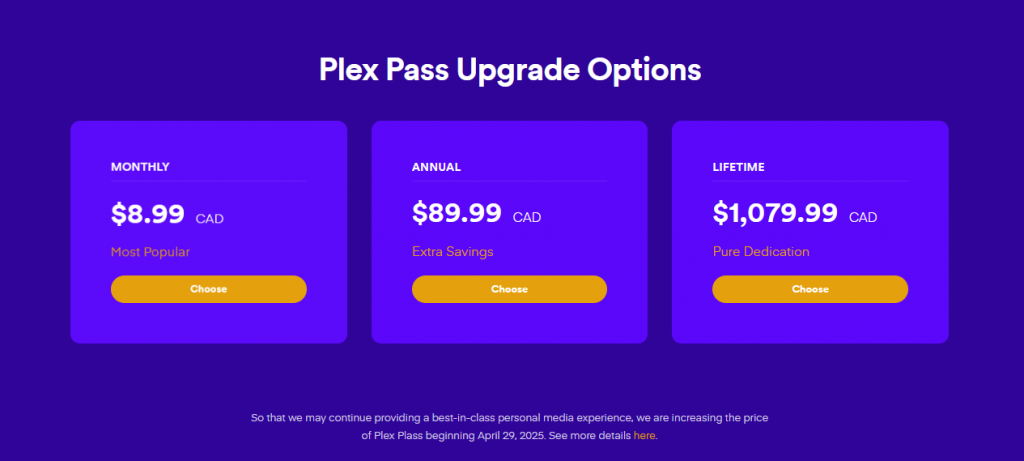
Now, this really doesn’t affect me or that status of the project because, fortunately, the Lifetime License I bought in 2014, has been honored as it should be and as advertised despite me having spent a fraction of the current day costs of the same license. That being said, this and prior changes to the Plex Pass included features as well as greatly increased the associated costs to new customers. To me, when this began, it felt like Plex has been losing sight of their original project goals and provide less and less support, clarity and reasoning for their changes particularly on the forums. If you have an issue related to money (billing) or a Legal communication to make with them. There’s a form for that.
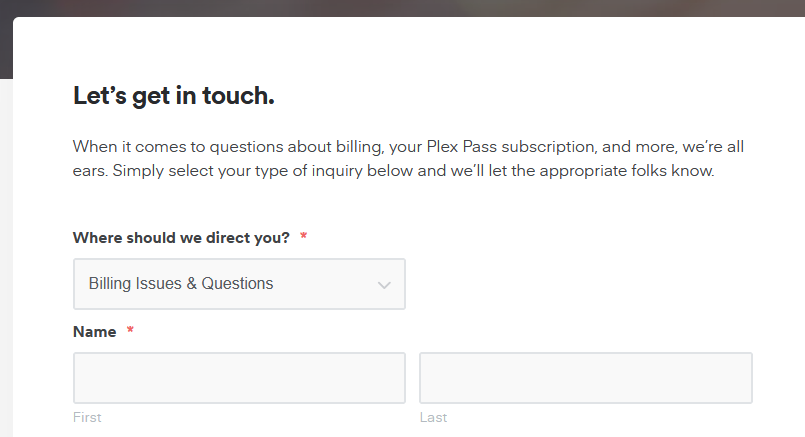
Should you have a technical or need help with the software you paid for… Well, that’s another story. Stick it on the forums and pray enough strife comes from the post that you actually get some semblance of support advice, or just wait for the post to die or get closed without seeing the light of day.
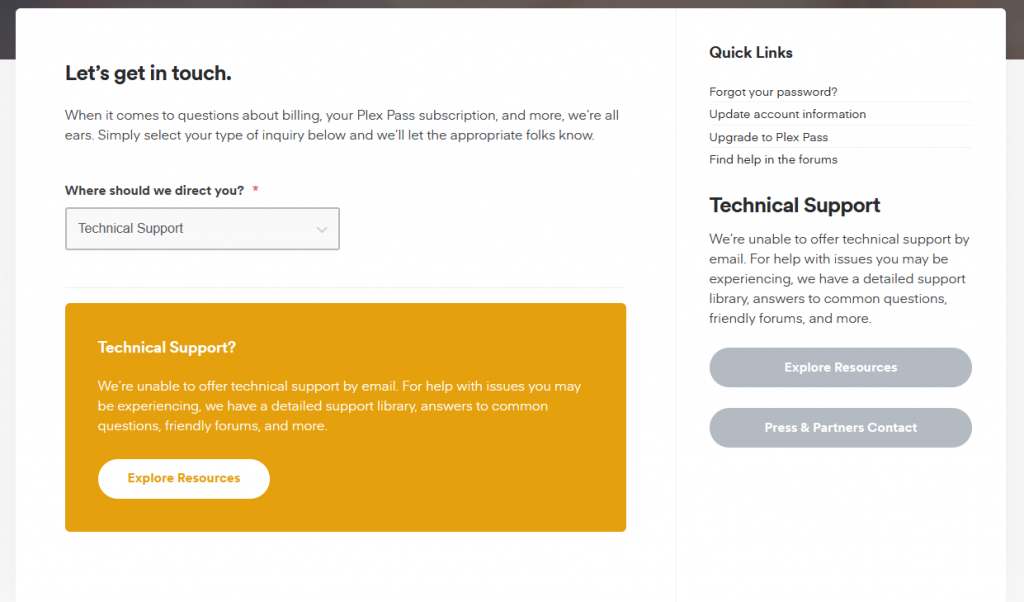
This is nothing new, it’s always been banishment to the forums for any technical issues. But it says something about the approach to the community and actual end user problem resolution.
For some time now, the alternatives for this project in terms of continuing in the same meaningful user experience were Emby, or a newer up and comer, Jellyfin. Where Emby was already established and proprietary in it’s licensing, Jellyfin was completely open source and highly community driven, as most of the best projects on the internet are.
There were many strides that Jellyfin made that I felt were simply not comparable to Plex when it came to the question of a full user base migration. Years later, with Jellyfin having just pumped out such a significant double major version update from major version 10 to 12 with an emphasis on performance and rewriting the back end of the software. They have finally become not only comparable to Plex Media Server but have almost exceed it as superior.
The Primary Hurdles
Migrating user watch data was at the top of my list, and this has recently become a realistic achievement to a large degree.
Feature FOMO, what would be lost to the users in terms of functionality and end user experience, initially, the Watch Together (SyncPlay on Jellyfin) was not functioning reliably, this is no longer the case and in fact, rather than 1+1 viewing experiences, multiple users can join one SyncPlay group.
The Big Gains
Rather the being limited to the 100 user share cap we’ve been restricted to since the start of the project from Plex…Jellyfin offers two one-ups on the former. Not only can we accommodate as many users as we’d like, but we can also retain access to the libraries when the Plex Authentication API is down. Provided the network access is functional at the server end, you’ll be able to utilize the server’s resources completely independent from any other authentication endpoints.
Conclusion
This will not be a rush or a priority but I will be reaching out the some of our OG users who have been with the server as users from the very beginning, and start the process of migrating them and their use to the Jellyfin server and away from the Plex Media Server.
When it comes to content, it is identical to Plex’s library. Watch history will be migrated to Jellyfin.
-LightSpeedTaco